Turning loss into awareness. Turning awareness into action.
What Happened
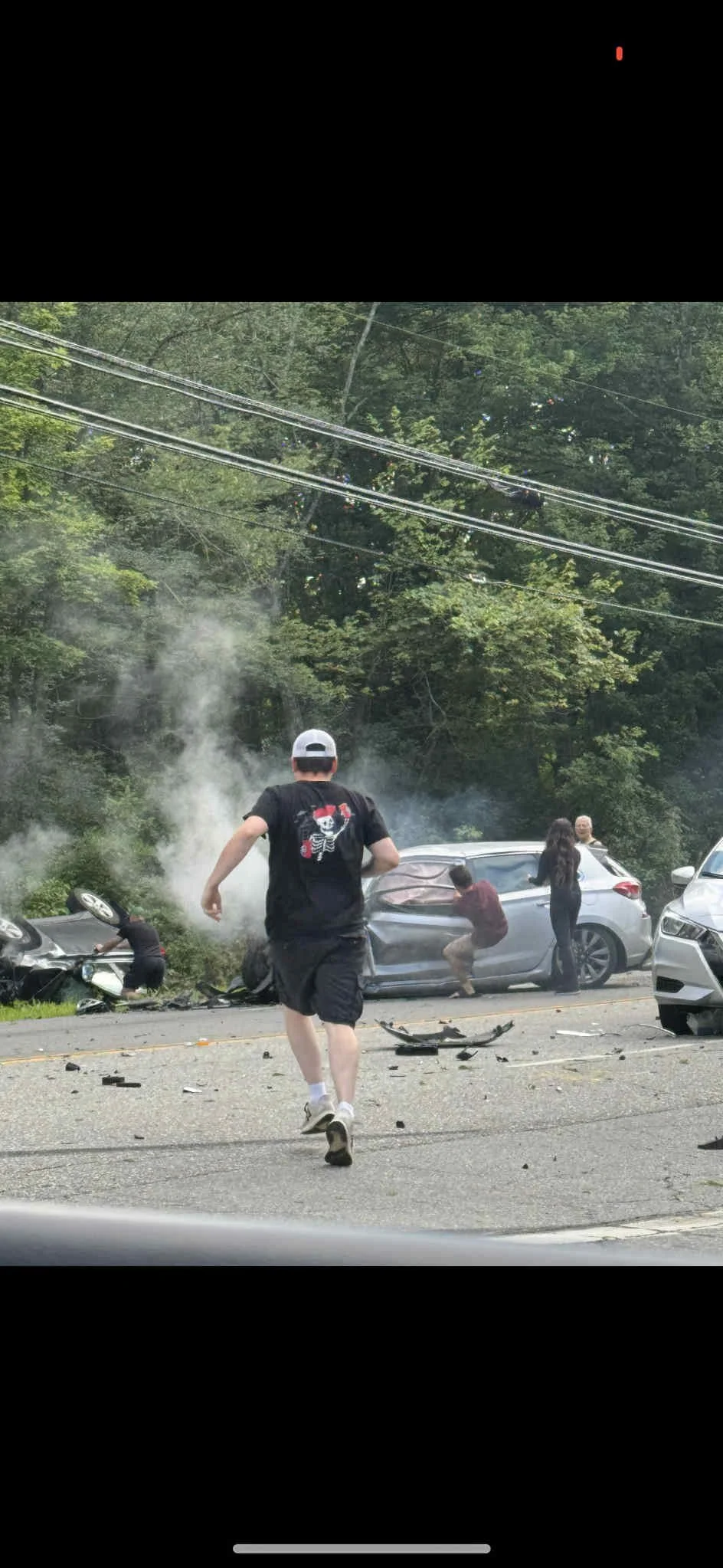
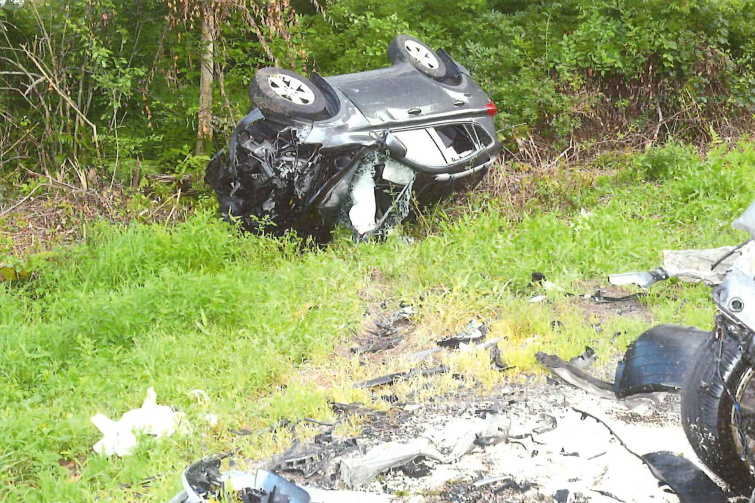
On July 13, 2025, an impaired driver made the choice to get behind the wheel.
That choice took the lives of my son, Hudson, and my close friend, Jen.
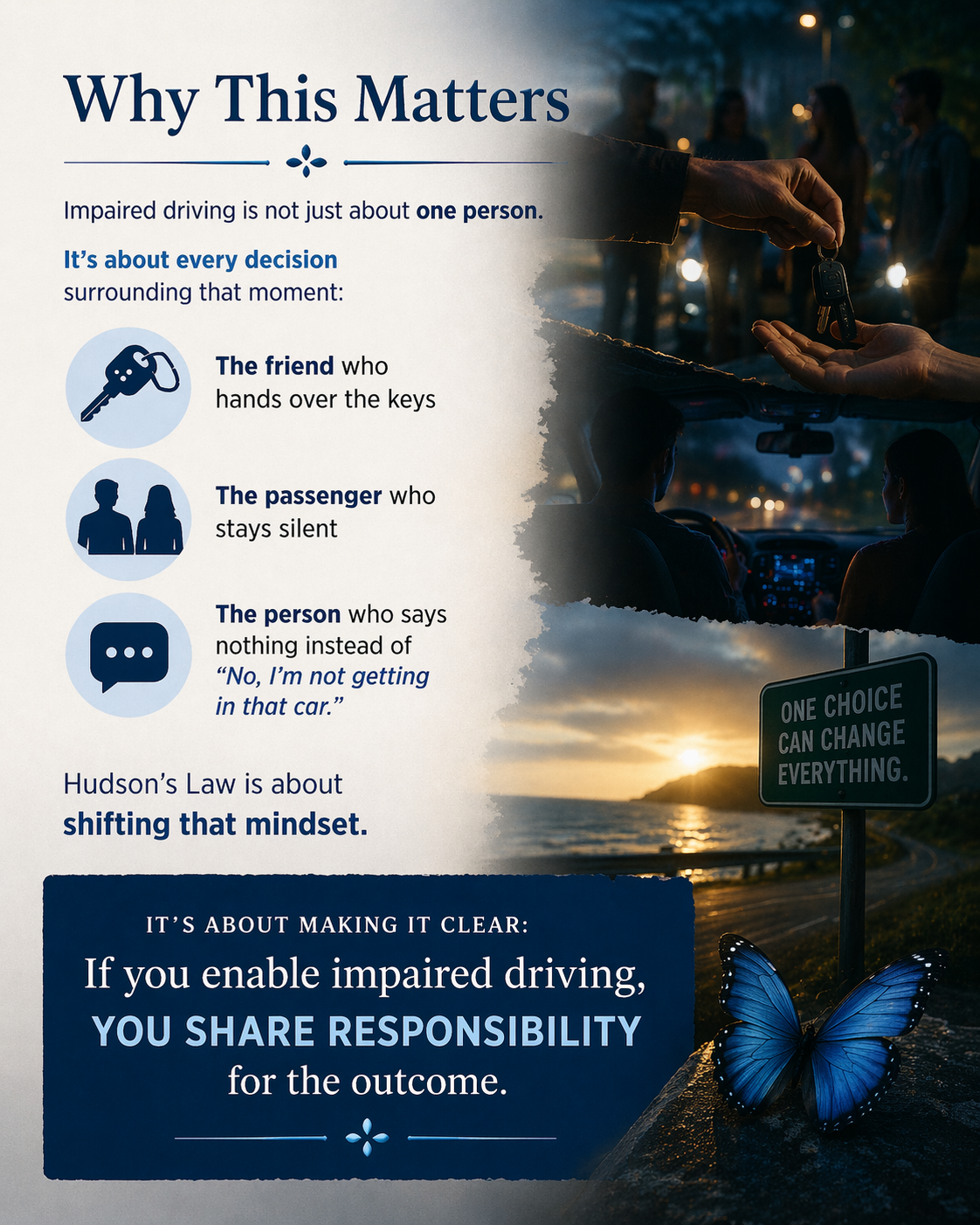
But this tragedy was not caused by one decision alone.
Someone else was there.
Someone else knew the driver was impaired.
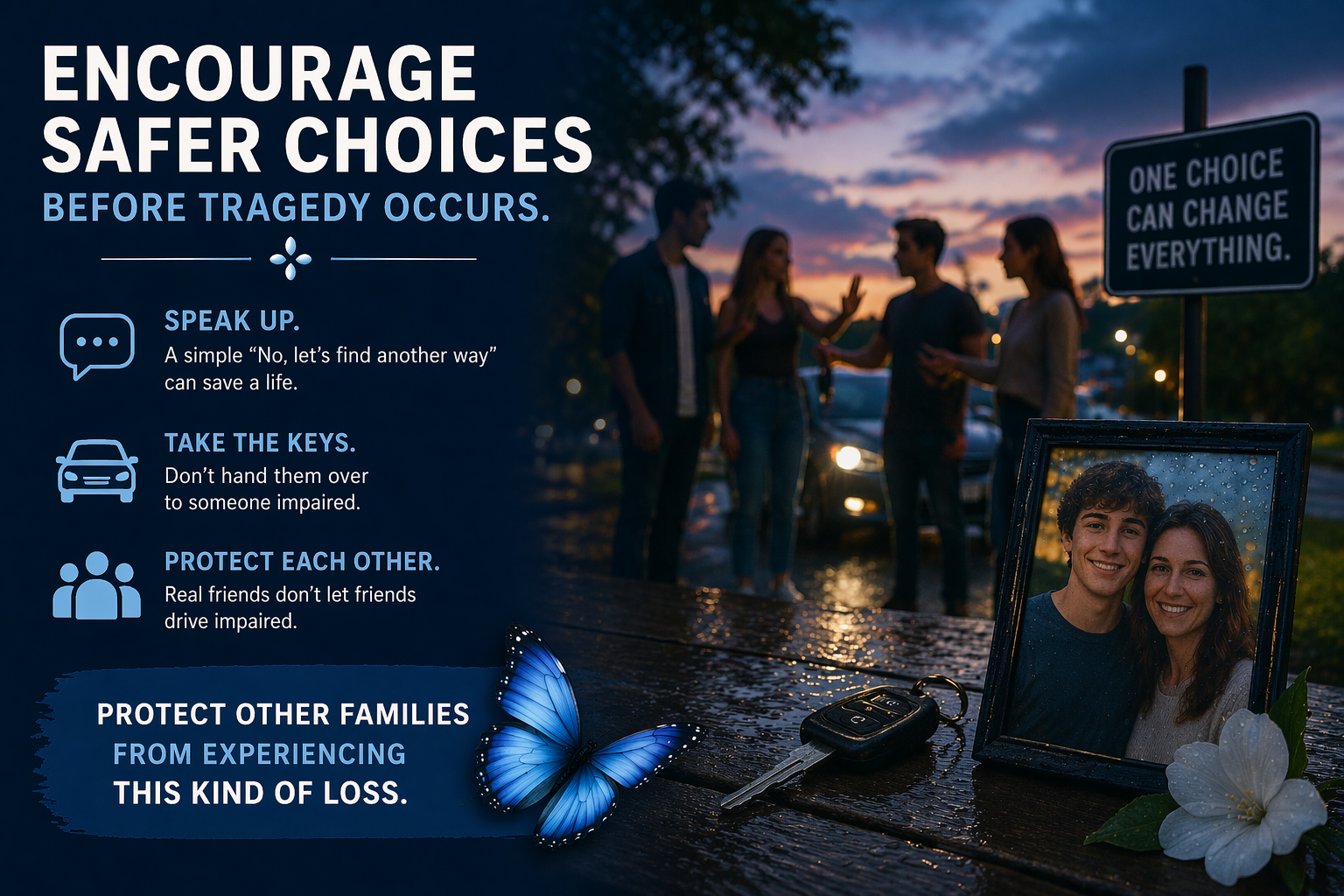
Someone else handed the driver the keys to their car.
Someone else had the opportunity to stop it.
And under current law—there was no accountability.
The Problem
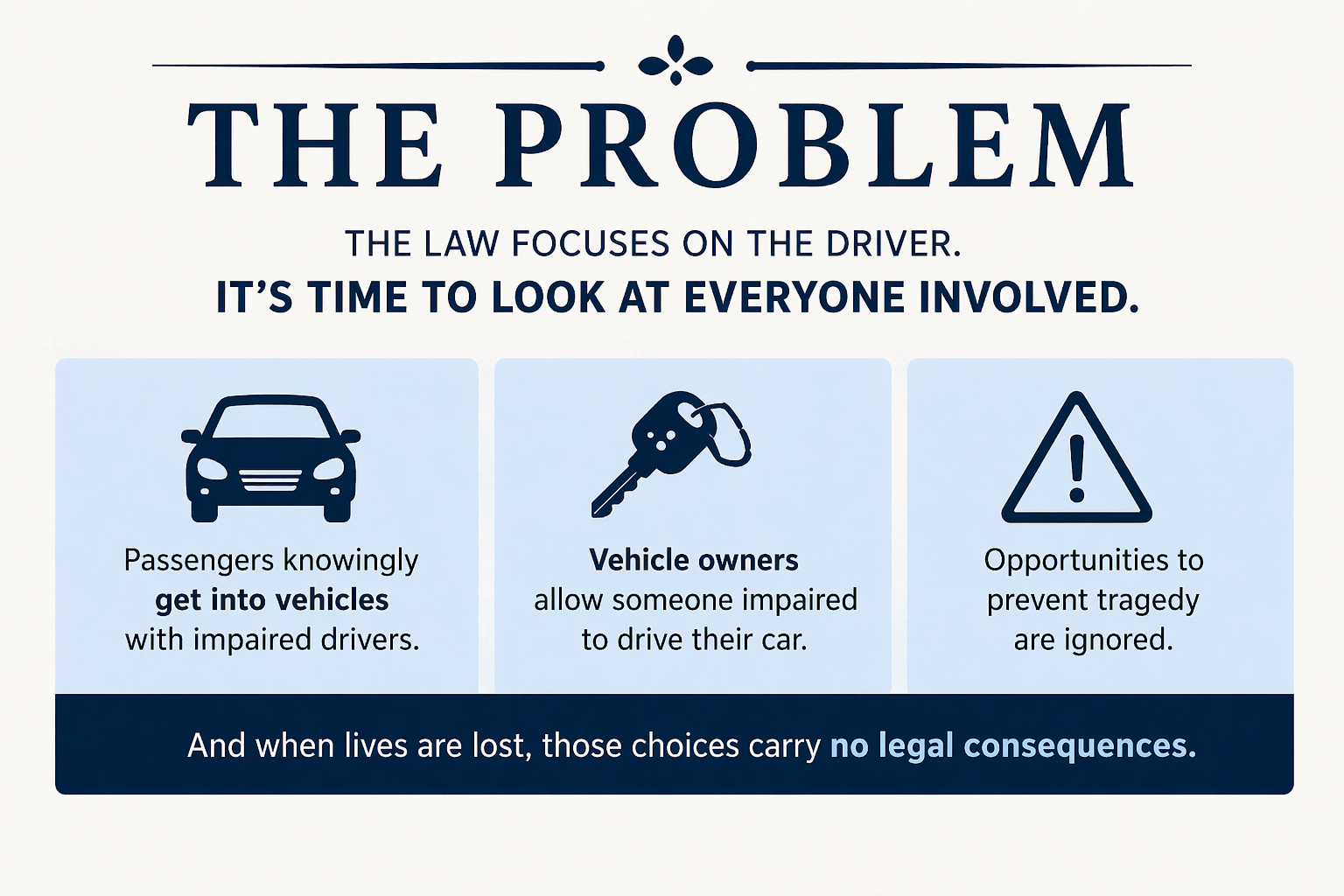
Right now, the law focuses almost entirely on the driver.
But in many cases:
Passengers knowingly get into vehicles with impaired drivers
Vehicle owners allow someone impaired to drive their car
Opportunities to prevent tragedy are ignored
And when lives are lost, those choices carry no legal consequences.
But we already recognize this kind of shared responsibility in other situations.
Bars and restaurants can be held liable if they overserve alcohol to someone who is visibly intoxicated and that person goes on to cause harm.
Social hosts can face consequences for providing alcohol in unsafe or illegal circumstances.
Because in those cases, we understand something important:
The person who enables the danger shares responsibility for the outcome.
Yet when it comes to impaired driving, that same standard is not consistently applied.
That gap matters—because prevention often lives in those moments before the crash.
What Hudson’s Law Would Do
Hudson’s Law is designed to close that gap.
This legislation would:
Hold passengers accountable if they knowingly allow an impaired person to drive
Hold vehicle owners accountable if they allow someone impaired to operate their vehicle
Recognize that enabling impaired driving is not passive—it is a choice
Create stronger deterrence to prevent these tragedies before they happen
Because when someone has the chance to stop something deadly—and doesn’t—that decision matters.
Our Goal
We are working to:
For Hudson.
For Jen.
For every life that could still be saved.